November 17 is World Premature Infant Day. The lightest premature baby in the world was born in Germany in 2016, weighing 226 grams at 26 weeks. The lightest premature baby in Taiwan was born in Changhua in 2015, weighing 339 grams at 24 weeks. The medical team cared for them for 175 days before they were successfully discharged. The birth of a premature baby requires considerable manpower, resources, and expenses from government, hospitals, and families. Protecting the slap warrior to grow up is truly challenging.
Among the factors causing premature birth, a very high proportion is twin (multiple) pregnancies. Statistics show that in countries like the US, UK, and Japan, the cost of two weeks of preterm twins admitted to the neonatal intensive care unit (NICU) is more than ten times higher than the cost of a single assisted reproductive treatment; Therefore, to reduce the risk of premature birth, the field of assisted reproductive medicine strongly advocates Single Embryo Transfer (SET), aiming to nurture a full-term, healthy, and high-quality baby.
1117 World Premature Baby Day begins with raising awareness of premature birth issues
According to the World Health Organization, newborns born below 37 weeks and weighing less than 2500 grams are considered premature and low birth weight. November 17th is World Premature Infant Day, a day when hundreds of countries around the world hold various events to support the issue of caring for premature births. They remind everyone to pay attention to the prevention and occurrence of premature birth, while also monitoring and long-term monitoring of their growth stages to help these little warriors of life grow up healthy.
In 2018, one in every 10 newborns in Taiwan was premature, and hospital care costs for premature infants accounted for nearly half of the newborn's health insurance resources; Additionally, statistics show that premature and low birth weight infants account for 25% of neonatal mortality, mainly because their organ systems may not be fully developed, increasing the risk of complications. Therefore, premature infants are a high-risk group for neonatal mortality.
According to data from Taoyuan Hospital under the Ministry of Health and Welfare, pregnant women between 22 and 28 weeks of pregnancy only need to extend their pregnancy by one day to increase the survival rate of premature infants by about 3%. In light of this, to improve pregnancy health, both the Health Promotion Administration and the Taiwan Foundation for Premature Babies provide extensive knowledge and special care information related to pregnancy and premature birth. Especially the Home Care Manual for Premature Infants compiled by the Health Promotion Administration aims to help premature infants and their families get through this challenging growth journey, reducing the tragedy of 'palm angels' not having the chance to grow up.
From birth to raising the difficulty: The cost of caring for premature twins may make the story of selling houses to have children unfold in real life
Among the factors leading to preterm birth, a very high proportion are twins (or multiples). Additionally, the care after premature birth can also lead to many issues, such as financial pressure; Generally, premature infants may be placed in the Neonatal Intensive Care Unit (NICU) for treatment and care at birth, and only transferred to the neonatal ward after their health is confirmed. The daily cost for a NICU room is not low. For example, at National Taiwan University Hospital, a NICU room costs NT$8,000 per day If you give birth to twins and prematurely stay in the NICU for two weeks, just the 15 days of NICU care alone can cost as much as 240,000 NTD, not including extreme ( Excessive) Factors such as low body weight requiring special care, or severe respiratory system requiring specialized equipment to extend the NICU care period, increased medical staff, and use of professional equipment; According to calculations, the cost of two weeks of NICU admission for premature twins is more than ten times that of a single assisted reproductive treatment.
Japan's SET usage rate is four times higher than Taiwan's; high SET rates in pregnancy medicine contribute to "The Power of ONE"
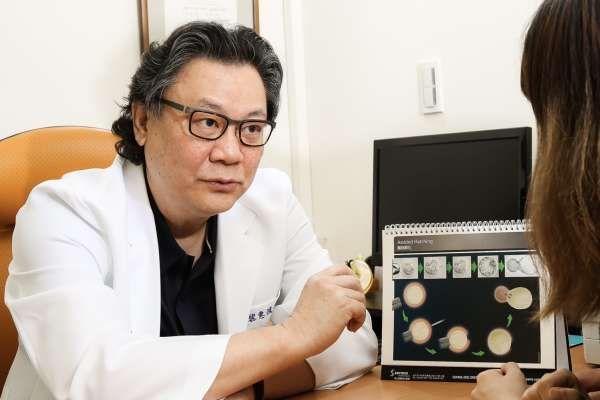
Dr. Li Huibo, director of the Pregnancy and Reproductive Center, stated: "Premature babies, due to immature lungs, may need ventilators or be admitted to the NICU. If they are underweight, they may encounter feeding problems. In the long run, this may affect the child's growth and development, hearing, vision, and even learning ability, and place a burden on family caregiving personnel and finances.
To reduce the risk of premature birth, I often communicate and educate patients that the ultimate goal of assisted reproduction is to produce healthy, full-term fetuses. In fact, as long as we nurture and select the best embryo for implantation, the correct approach is to consider the physical and mental health of the mother. Currently, over 40% of SET users in the US and UK are adopted, while Japan uses SET at a rate four times higher than in Taiwan, with over 90% of singleton births. Since its establishment in April, Prenatal Medicine has actively promoted SET, with SET implementation rates in the second and third quarters more than three times that of Taiwan. This demonstrates that Prenatal Medicine firmly believes that the path of single embryo implantation The Power of ONE is correct and feasible, aligning with the global trend encouraging healthy single fetal pregnancy."
Both "advanced primiparas" and "multiple pregnancies" are considered "high-risk pregnancies" and are high-risk groups for giving birth to premature babies. If both are present, the risks during pregnancy and delivery—such as gestational diabetes, hypertension, prenatal hemorrhage, and surgical bleeding—are much higher than those of young singleton mothers. At the same time, personal physical burden and future care and childcare issues for a premature baby must be considered; Therefore, more and more reproductive medicine experts now recommend "single embryo implantation," hoping to preserve the original intention of couples seeking children by giving birth to a full-term, healthy, and high-quality baby.