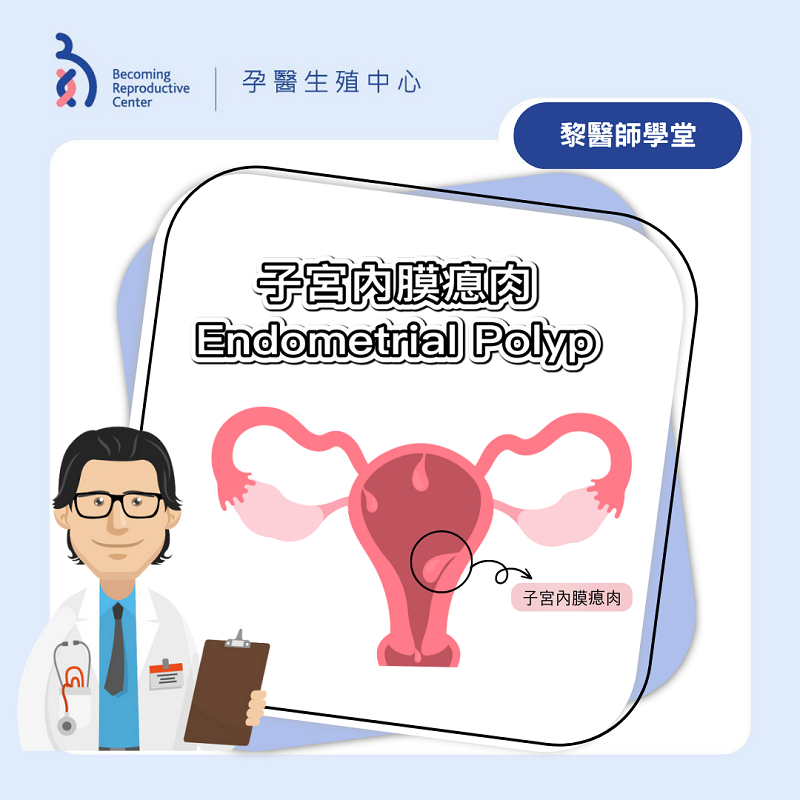
What Are Endometrial Polyps?
Endometrial Polyp
The endometrium is the inner lining of the uterus. It is composed of epithelial tissue and mucosal cells, and is located in the center of the uterus.
It sheds cyclically with menstruation and is also the site where the embryo implants.
- 1.Causes of endometrial polyps
- 2.Endocrine imbalance:
Long-term estrogen stimulation or use of hormone replacement therapy. - 3.Obesity:
Women with a BMI > 30 may have excess fat tissue, which can cause hormonal imbalance in the body and further lead to endometrial hyperplasia. - 4.Endometritis:
This may be caused by vaginal inflammation, postpartum uterine infection, cesarean wound infection, and other factors. - 5.Polycystic ovary syndrome:
Due to endocrine imbalance, the growth of the endometrium may also become abnormal, making endometrial hyperplasia more likely. - 6.Symptoms of endometrial polyps
- 7.Irregular uterine bleeding
- 8.Increased menstrual bleeding or prolonged menstrual periods
- 9.Bleeding after menopause
- 10.Examination methods for endometrial polyps
- 11.Ultrasound examination:
Ultrasound is used to examine the uterine cavity and check whether there are abnormal lesions. - 12.Hysteroscopy:
An endoscope is inserted into the uterine cavity for diagnosis or treatment. - 13.Treatment methods for endometrial polyps
- 14.If there are no uncomfortable symptoms, or if there is no pregnancy plan for the time being, regular ultrasound follow-up can be performed.
- 15.If there are symptoms such as abnormal bleeding, or if pregnancy is being planned, hysteroscopic surgery is recommended.
Most endometrial polyps are benign tissue. Sometimes they may shed and be expelled along with menstrual bleeding.
Therefore, as long as regular checkups are performed, surgical removal is not always necessary.
For women who wish to become pregnant, it is recommended to consult a doctor. The decision can be made based on whether the polyp may affect implantation, so that the most appropriate management can be arranged.
BRCIVF wishes your dreams come true!