👩🏫【A Brief Introduction to Polycystic Ovary Syndrome, PCOS】
More than 95% of women with polycystic ovaries may experience infertility issues, and 10–20% of women of reproductive age have polycystic ovary syndrome, PCOS.
According to the Rotterdam Consensus published in 2003, polycystic ovary syndrome should include the following features:
- 1.Oligo-ovulation or anovulation, which leads to irregular menstrual cycles.
- 2.Hyperandrogenism, which may clinically present as excessive hair growth, acne, being overweight, or elevated testosterone levels on blood testing.
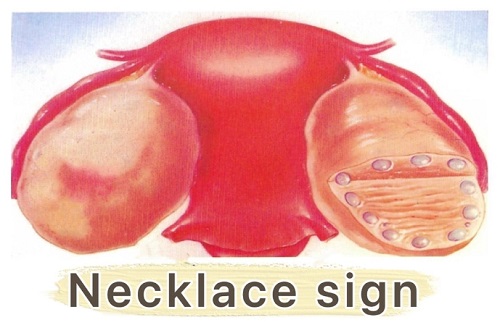
- 3.Polycystic ovaries found on ultrasound: more than 12 follicles measuring 2–9 mm in diameter in one ovary; follicles arranged around the ovary like a string of pearls, known as the necklace sign, or increased ovarian volume.
If two or more of the above three features are present, it meets the criteria for polycystic ovary syndrome.
The causes of PCOS may be related to genetic inheritance, insulin imbalance, or elevated male hormones, specifically testosterone.
Therefore, in women with PCOS, follicles do not mature and grow normally or ovulate regularly, resulting in irregular menstrual cycles and difficulty conceiving.
More than 80% of patients with PCOS can be found to have polycystic ovaries on ultrasound.
Blood tests may show increased luteinizing hormone, LH; an elevated LH/FSH ratio, which may be greater than 3:1 in severe cases; and elevated testosterone.
An anti-Müllerian hormone, AMH, level greater than 5 may also suggest PCOS.
Women with PCOS can improve symptoms through good lifestyle habits such as regular exercise, healthy eating, and weight loss.
Most women with PCOS who are planning to conceive may need treatments such as oral ovulation medication, ovulation induction injections, intrauterine insemination, or even IVF to have a chance of achieving pregnancy.
If you have PCOS and are troubled by irregular ovulation or difficulty becoming pregnant, you are welcome to consult us.
BRCIVF wishes you good pregnancy luck!